
Jump to content
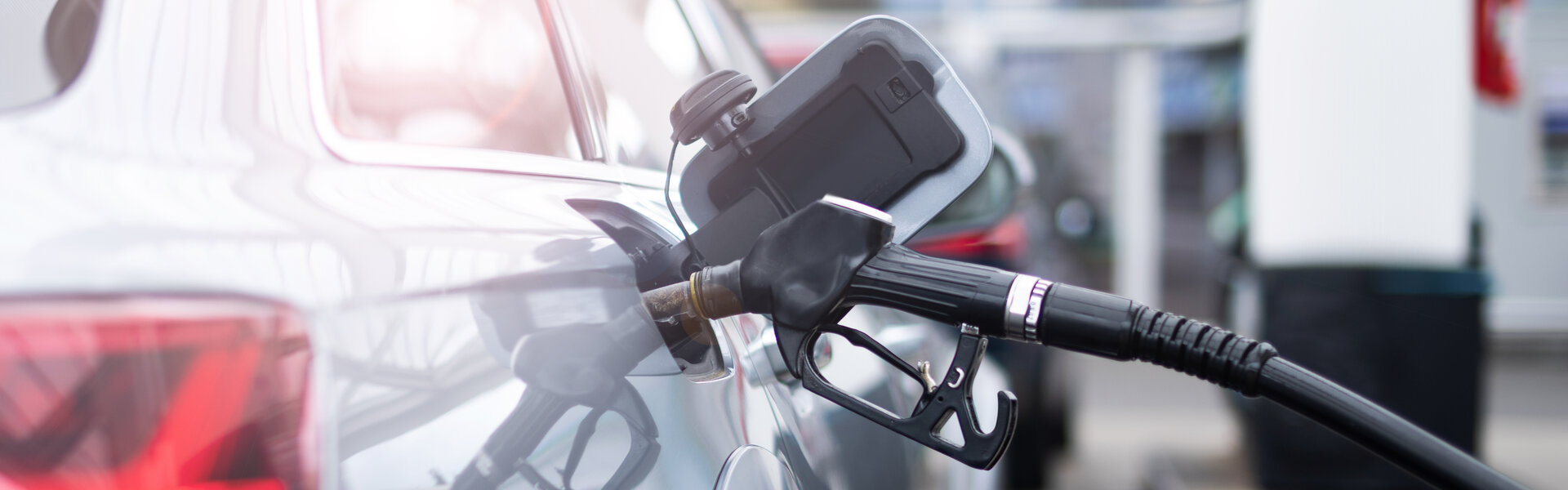
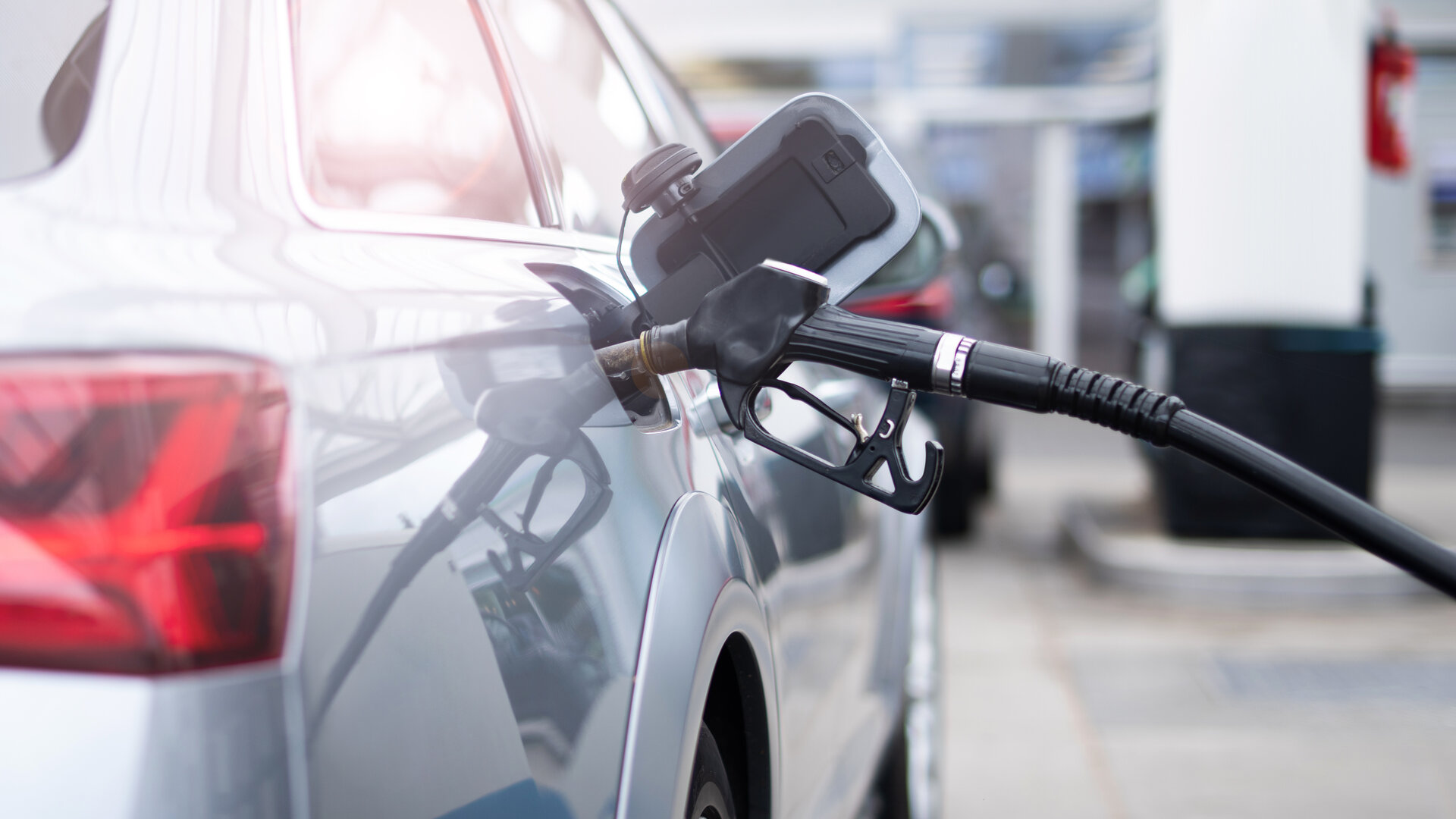
Auto, das gerade mit Sprit betankt wird

Since the war began on 28 February 2026, high fuel prices have been placing a strain on many people. There is as yet no end in sight to this tense situation. Consequently, there is intense debate about how to ease the burden on households and businesses. We, too, are receiving many questions on this subject.

This FAQ puts the debate into context from an economic and competition policy perspective. We explain why fuel prices have risen and where the competition issues lie. We also outline the impact of measures that have already been implemented, adopted or are under discussion, and how we assess them.
The debate on fuel prices often centres on the price at the pump. What really matters is what effect a measure actually has, who it affects and what consequences it may have.

Tomaso Duso, Chairman of the Monopolies Commission

General information

  • Why is petrol so expensive at the moment?

    The rise in prices is beginning primarily on the international markets. Since the start of the Iran War on 28 February 2026, the supply of crude oil has become more difficult. The Strait of Hormuz, a key route for oil tankers, was temporarily closed. At the same time, Russian refining capacity is being lost, and there is hardly any spare capacity worldwide to process crude oil into fuels. When crude oil and refining capacity become scarce, the procurement costs for petrol and diesel rise. German policymakers have little influence over these underlying causes. 

  • What factors make up the price of petrol?

    The price of petrol at the pump includes not only the cost of crude oil, but also the costs of processing and transport, as well as the margins of the various parties involved, such as wholesalers, refineries and petrol stations. For a litre of petrol, this accounts for approximately 48 per cent of the price. Added to this are government-imposed charges such as energy duty, the CO₂ levy and VAT. This component accounts for approximately 52 per cent of the price of a litre of petrol. The energy duty has remained a fixed amount since 2003, apart from temporary reductions such as the fuel rebate. VAT is a percentage, which means it varies in absolute terms. 

    More on the calculation

  • Why is petrol more expensive in Germany than in some neighbouring countries?

    A large part of the difference is down to taxes and duties. A comparison as at 14 September illustrates this using petrol as an example: in Germany, the price per litre was 53 cents higher than in the Czech Republic (more on the calculation). A good 33 cents of this difference was attributable to taxes. The remaining difference may have several causes, including transport costs, differing regional fuel markets and competition amongst refineries and wholesalers. Many petrol stations with comparatively low sales volumes can also drive up the cost per litre sold. However, it is not possible to calculate from the weekly national averages exactly how much each factor contributes individually.

  • Where does the Monopolies Commission see competition issues?

    The main problem lies less with the petrol stations themselves. There are also smaller competitors in this sector, and profit margins are limited. What happens before that is the crucial factor: refineries and wholesalers determine the terms on which (even independent) petrol stations can purchase fuel. Anyone with a strong position at these stages can significantly influence the price at the pump. It is virtually impossible to establish new refineries as additional competitors. In Germany, there is also a particularly high concentration of large suppliers and interdependence in their supply chains. That is why the Monopolies Commission sees the most important approach to increasing competition in the refinery and wholesale sectors – rather than intervening in petrol station prices.

Fuel discount and fuel price cap

  • Is a fuel discount a sensible way to ease the burden?

    On 25 September, the federal and state governments once again agreed on a fuel discount, which will see the energy tax reduced by 14 cents per litre from 1 October to 31 December 2026. If the reduction is passed on in full, this will amount to around 17 cents per litre at the pump, including VAT. The federal and state governments will jointly provide around 2.5 billion euros to fund this. The discount is a flat-rate measure based on consumption, rather than being targeted at those who are most in need of relief. Furthermore, this measure does nothing to address crude oil prices or the shortage on the world market. 

    The Monopolies Commission therefore regards the fuel rebate as an expensive and poorly targeted measure and recommends, instead, direct support for households and small businesses facing particular hardship.

  • Who benefits from the fuel rebate, and where does the money go?

    Citizens with high fuel consumption stand to benefit the most. A sample calculation illustrates the difference: a commuter on a low income driving a smaller car would save 57 euros over three months. A frequent driver with a larger car would receive more than double that amount. Those who do not own a car do not receive any direct relief, but may feel the impact of high oil prices through more expensive goods and help to fund the discount through their taxes. Furthermore, whilst the fuel discount is passed on to a large extent, it is not passed on in full at the pump. Our analyses of the fuel rebate from 1 May to 30 June 2026 show that of the approximately 1.6 billion euros in rebates provided by the state, at least 200 million euros were retained by the oil companies. Read more in the Policy Brief

    From the Monopolies Commission’s perspective, this unequal distribution argues against a flat-rate fuel rebate and in favour of payments based on the level of support required.

  • How does a cap on fuel prices work?

    A fuel price cap sets the maximum price that petrol or diesel may cost. At first glance, this sounds like a clear limit. However, the cap can also become a benchmark price for petrol stations. Suppliers whose prices are currently below the future cap could raise their prices, as the cap provides them with a common point of reference. Studies on price caps in Belgium and on the Greek islands have identified such effects. A cap could limit individual price spikes. However, it does not make crude oil or fuel any cheaper on the international markets. Furthermore, it addresses the issue at the wrong stage: the competition problems lie with refineries and wholesalers. A cap at the pump whilst wholesale prices remain unregulated primarily affects independent petrol stations.

    The Monopolies Commission advises against a fuel price cap because it could weaken competition at petrol stations and create an incentive for cheaper suppliers to raise their prices.

  • Why is it difficult to implement a cap on fuel prices?

    To set a price cap, the government would need to know what constitutes a reasonable cost for processing, transport and distribution. These costs vary from place to place. A petrol station in the countryside may have different transport and operating costs to one in a major city. Furthermore, costs fluctuate – for example, when low water levels make transport more expensive. If the cap is set too high, it will do little to lower prices and may simply become the target price for cheaper suppliers. If it is set too low, petrol stations with high costs may come under pressure. The cap would therefore need to be continuously adjusted and monitored. The Market Transparency Unit at the Federal Cartel Office already collects price data. However, it would be up to the federal states to impose sanctions for breaches. The ‘12 o’clock rule’ shows that this is no simple matter: several federal states have not yet designated a competent authority for this purpose. 

    Due to this conflict of objectives and the high administrative burden, the Monopolies Commission does not consider a fuel price cap to be a suitable measure to ease the burden.
     

  • Could a cap on fuel prices jeopardise supply?

    That depends on how low the price cap is set. Germany is particularly reliant on imports when it comes to diesel. If suppliers can sell fuel in a neighbouring country at a higher price, they could divert their supplies there. Another problem arises when procurement costs rise rapidly, but the government-imposed cap is only adjusted at a later date. Suppliers could then, at times, earn less than they had to pay for the fuel. A generous cap is more likely to avoid such risks, but has less impact on prices.

    The Monopolies Commission therefore warns against viewing a low price cap as a simple solution, as it can disrupt supply, whilst a high price cap provides little relief.

Other measures discussed

  • Would a lower VAT rate be an alternative?

    A reduction in VAT on fuel from 19 to 7 per cent would, in theory, lower the price by around 23 to 25 cents per litre, provided the reduction is passed on in full. However, under current EU law, there is no provision for a reduced VAT rate on fuel for private transport. The distribution of the benefit would also be rather indiscriminate: those who fill up frequently would save more than those with low fuel consumption. Businesses that deduct the VAT they pay as input tax would, in principle, not benefit from such a measure. The cost to the state would be estimated at just over 13 billion euros per year. 

    The Monopolies Commission considers the measure to be costly and not very targeted. Furthermore, due to legal obstacles, it is not a solution that can be implemented in the short term.
     

  • Should a CO₂ levy be imposed on fuels?

    According to these calculations, without a CO₂ price, petrol would be around 15 cents cheaper per litre and diesel around 16 cents cheaper, or around 18 and 19 cents respectively including VAT. At the same time, there would no longer be an incentive to use less fuel during periods of supply shortages. Revenue from the CO₂ price also flows into the Climate and Transformation Fund. This fund is used, amongst other things, to finance measures to reduce electricity prices. A reduction in the CO₂ price would therefore merely shift the financial burden. Moreover, it would only be a temporary solution, as the national system is set to be replaced by the European Emissions Trading Scheme in a few years’ time.

    The Monopolies Commission advises against suspending the CO₂ price, as this would weaken the incentive to save fuel and reduce revenue for the Climate and Transformation Fund.

  • What is the Monopolies Commission’s view on an excess profits tax?

    An excess profits tax would not immediately reduce the price at the petrol pump. It could generate revenue for the state, which could then be used to provide targeted relief for people. To achieve this, however, the tax would have to be levied where exceptional profits are generated. If the price of oil rises due to a shortage, it is primarily oil-producing companies that stand to benefit. Most of this production takes place outside Germany. Furthermore, a legally sound definition would be required to determine when a windfall profit exists. A tax levied only in Germany could therefore fail to capture the largest crisis-related profits.

    The Monopolies Commission regards an excess profits tax, at best, as a potential source of funding for targeted aid, but not as a measure to combat high prices at the petrol pump.

Scope for action

  • What can the Federal Cartel Office do about high fuel prices?

    The Federal Cartel Office monitors prices and investigates competition in the mineral oil market. To this end, it has initiated proceedings under Section 32f of the Act against Restraints of Competition on the basis of a sector inquiry. This instrument can help to tackle persistent distortions of competition, even where no explicit cartel agreement has been proven. The wholesale fuel trade is of particular importance in this regard. The Federal Government further strengthened this instrument of the Federal Cartel Office in 2026 to enable it to act more effectively and swiftly. This is because the Higher Regional Court of Düsseldorf had blocked the Federal Cartel Office at the end of April, as it doubted that the authority was entitled to request information in such proceedings. The Office has lodged an appeal with the Federal Court of Justice and suspended the proceedings. 

    Contrary to the expectations of many members of the general public, the Federal Cartel Office cannot lower fuel prices on its own. It has no influence over the international oil price and does not act as a price regulator. 

    The Monopolies Commission therefore considers it important to tackle identified competition problems, particularly in the wholesale sector and at refineries, but warns against expecting a rapid price reduction as a result of competition law.

  • How can we provide more targeted support to those affected?

    When fuel is in short supply, its price also serves a purpose: it signals that saving fuel makes sense and that expanding supply may be worthwhile. The Monopolies Commission therefore recommends direct payments to low-income households and small businesses, rather than reducing the price per litre. In this way, the support is based on need rather than on how much fuel someone buys. In France, for example, ten million low-income workers were each paid 100 euros. In Germany, a payment scheme via the Federal Central Tax Office has been in place since the end of 2024. There is, however, one restriction: anyone who has not provided their bank details to the tax authorities will initially fall through the net and would need to submit an application.

    The Monopolies Commission advocates providing targeted relief to lower-income households and small businesses.  

Further content

  • Monitoring of the fuel discount

    Here you will find the Monopolies Commission’s analysis of the fuel rebate figures for May–June 2026.

    Find out more
  • Policy Brief on the petrol discount

    Here you will find a comprehensive analysis of the fuel rebate for May–June 2026 in the form of a policy brief.

    Find out more
  • Press releases

    Here you will find all press releases from the Monopolies Commission on the subject of fuels.

    Find out more
Cookies