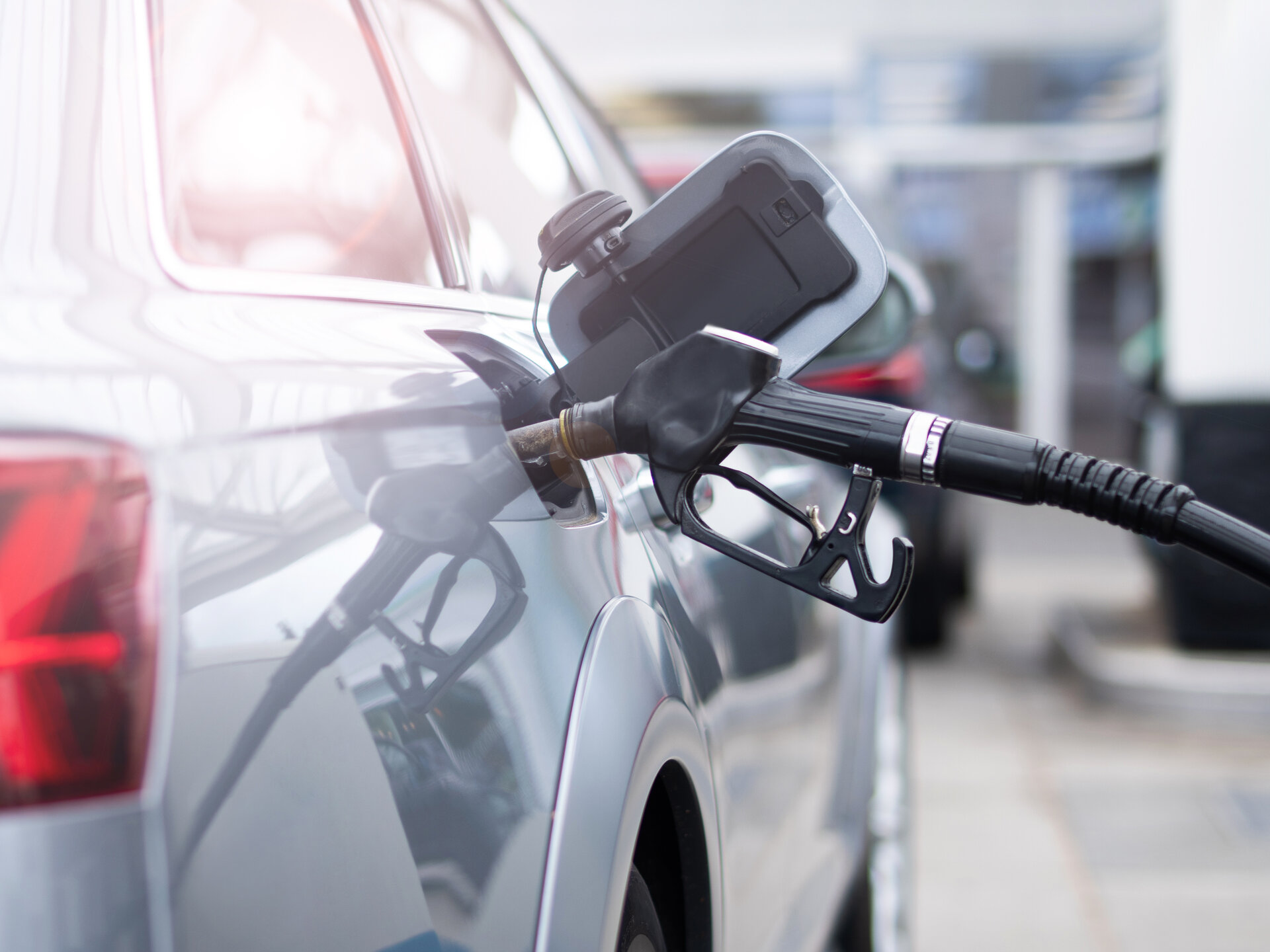

The draft bill identifies the risks of a fuel price cap, but does not rule them out. Even time limits and regional adjustments, which entail considerable bureaucratic effort, do not resolve the dilemma: if the cap is set too high, filling up will not become any cheaper. Suppliers that have so far been offering low prices might even raise their prices. This is precisely what a recent study on Belgium – cited as a model in the federal-state decision – shows. If the cap is set too low, suppliers will no longer be able to cover their costs and there is a risk of supply shortages.
Furthermore, the cap is applied in the wrong place. It caps the price at the pump, yet petrol station margins are already low. The wholesale price remains unregulated. This does not limit the high refinery margins, because the cap must be based on international procurement prices.
Price signals are particularly important when fuel is in short supply: they encourage people to save fuel and make additional deliveries attractive. Instead of capping prices, the Federal Government should provide targeted support to those who are particularly hard hit by the high prices.
We therefore welcome the fact that the Federal Government intends to enable income-based direct payments to households particularly affected. In doing so, it is taking up a proposal that we have been advocating since April. It is now essential to swiftly put the necessary conditions in place so that the aid can be delivered quickly and in a targeted manner in future.
- Tomaso Duso, Chair of the Monopolies Commission