In particular, there is an urgent need to introduce incentive-based regulation alongside ex-ante approval of charges, to amend the rules governing the use of service facilities, and to strengthen the Federal Network Agency. The existing system of tariff regulation is not suitable for ensuring efficient competition in the rail sector. Incentive-based regulation would ensure that productivity gains are realised and that these benefit users of the rail infrastructure in the long term.
It would be desirable to amend the planned regulatory reform so that public subsidies are incorporated into incentive-based regulation and explicit exemptions from regulation are removed. In addition, regulations concerning the permissible rate of return on capital, the charging principles and the scope for market reviews need to be adapted.
Even if the planned Regulatory Act comes into force, there remains scope for further development of the regulatory framework. For instance, the provision of information and coordination by infrastructure managers is currently unsatisfactory. However, access holders must have precise knowledge of all the conditions under which the infrastructure may be used. Consequently, more extensive transparency obligations are required. Furthermore, the framework contract provisions governing the use of rail infrastructure must be fundamentally reformed so that railway undertakings can be offered the necessary long-term planning certainty. Furthermore, the regulation of traction current must be adapted to the requirements of the railway sector in order to address the problematic billing of high balancing energy costs. Furthermore, the procedure for establishing a uniform nationwide tariff must be structured by law in such a way that no single company holds a dominant position.
Non-federally-owned local passenger rail operators have increasingly fewer opportunities to submit competitive bids in tenders for transport contracts. It is therefore urgently necessary to ensure greater competition for these transport contracts. Consequently, transport authorities must design simple and streamlined tendering procedures with uniform, standardised requirements and structures; increase the use of lot-based tendering; make requirements for rail vehicles more in line with market standards; and refrain from demanding new rolling stock.
The Federal Railway Authority must further improve its procedural processes and information policy. These continue to represent significant obstacles to the efficient operation of transport services. In addition, the further transfer of the Authority’s tasks to private-sector bodies should be examined.
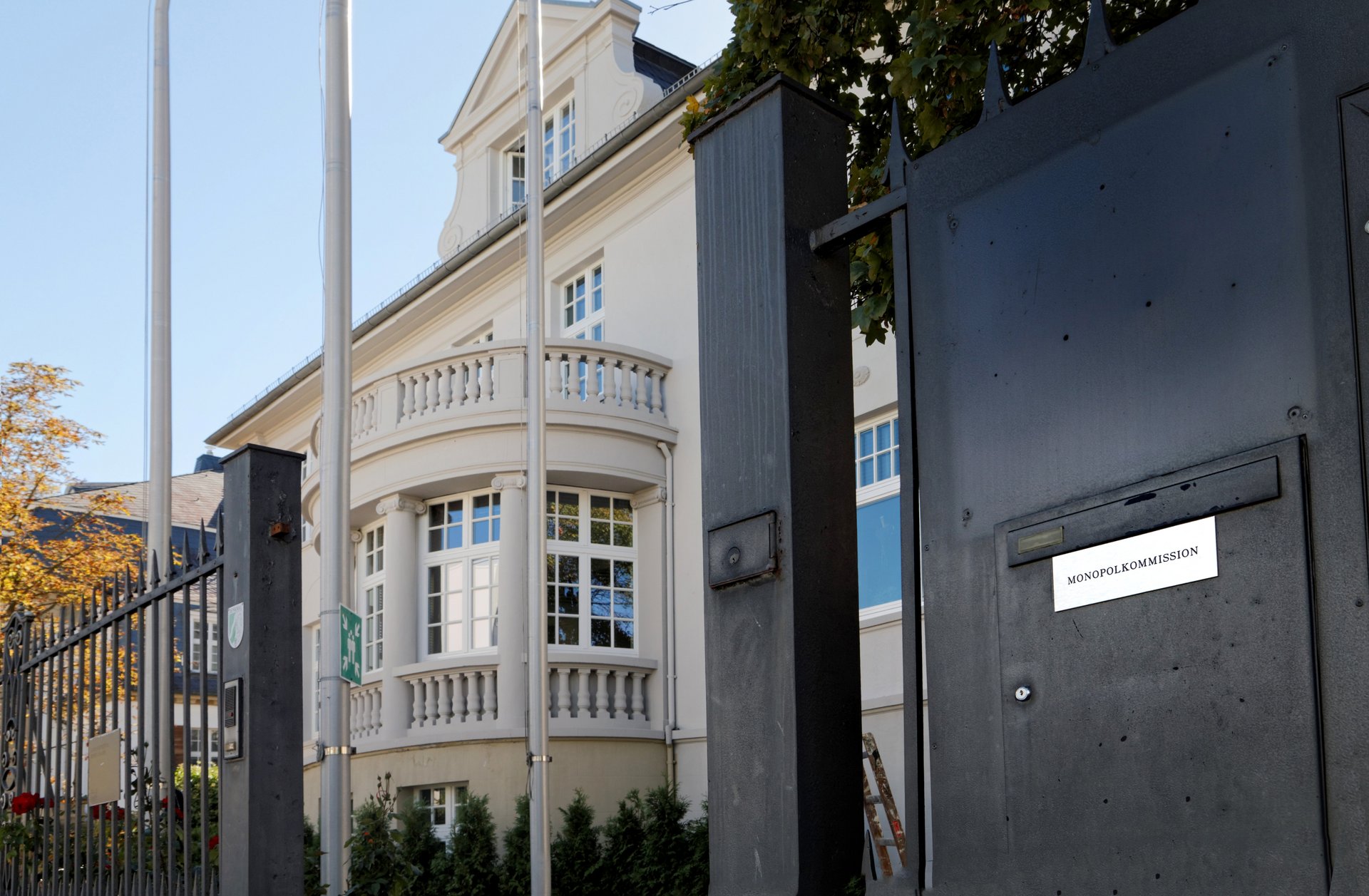
The Monopolies Commission remains convinced that effective competition in the rail transport markets can only develop rapidly through a complete separation of the infrastructure and transport sectors. Numerous significant barriers to competition are directly attributable to the incentives and opportunities available to the integrated group to discriminate against competitors in the transport markets. This problem will persist regardless of any revision to the regulatory framework. Furthermore, contrary to widely held views, the available academic evidence does not suggest that the separation would trigger any significant adverse macroeconomic effects, for example in terms of investment or the loss of synergies. The infrastructure and transport divisions of Deutsche Bahn AG must therefore be separated. As a first step, the Group’s transport and logistics service providers should be demerged in the near future through privatisation of ownership.