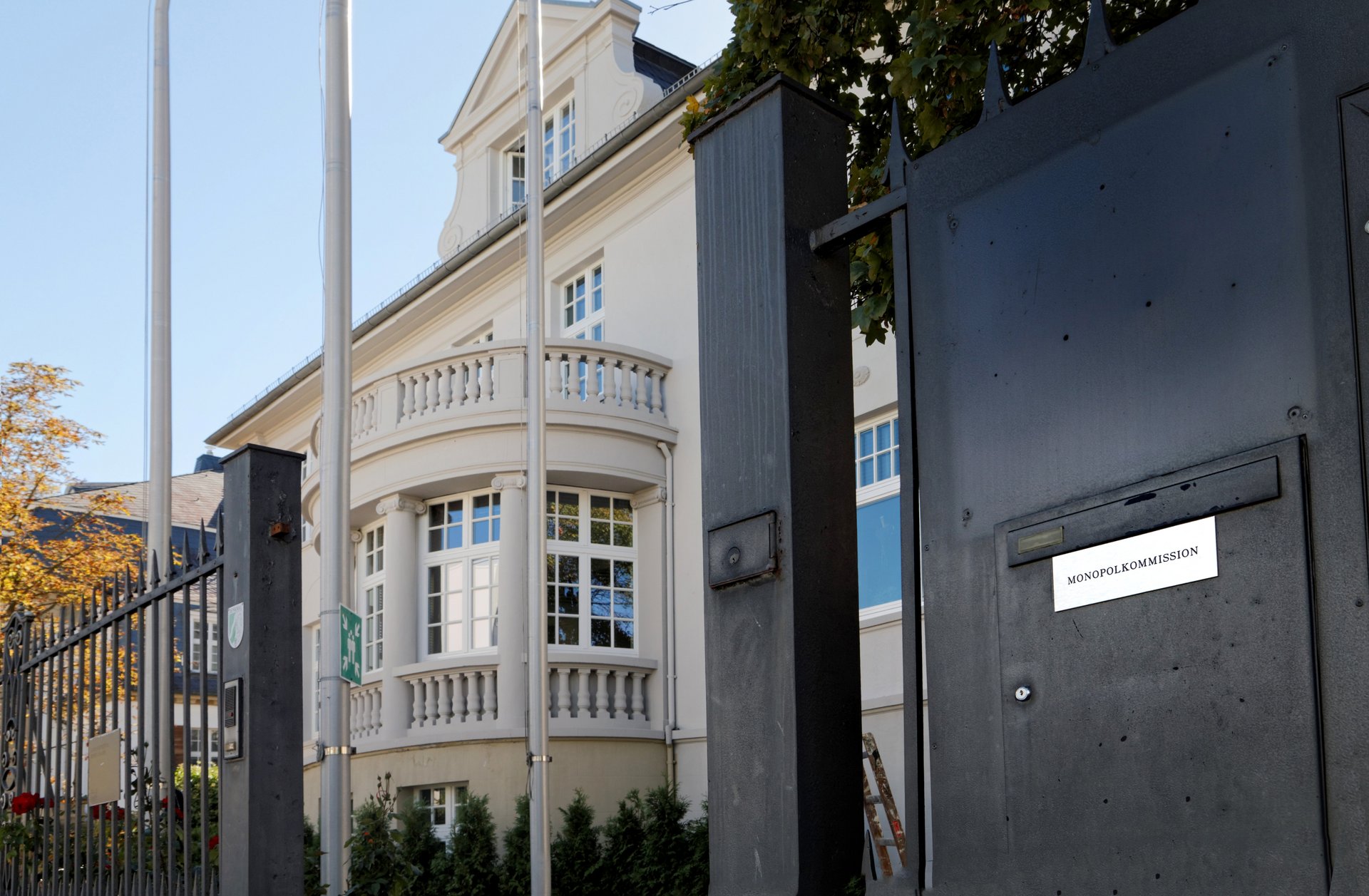

These recommendations stem from a statement on the Federal Network Agency’s determination procedure for the general grid tariff system (AgNes). In it, we recommend that the Federal Network Agency’s new powers of determination within the AgNes process be used to structure network charges primarily to provide incentives for behaviour that benefits the network.


The Federal Government has decided against providing electricity tax relief for households and businesses, but is sticking to tax-funded relief for industry, agriculture and forestry. The fact that consumers and small businesses are left empty-handed is certainly unfortunate. Structural solutions are far more effective than simply redistributing taxpayers’ money:
Electricity prices will fall if we reduce the system costs of the grid. There is little point in shifting money from one pocket to another – ultimately, everyone pays through their taxes.
At present, regional grid bottlenecks are not taken into account in electricity pricing. This leads to congestion and costly redispatch measures – costs that could be avoided.
We, as the Monopolies Commission, therefore recommend:
- Adjust grid tariffs dynamically – depending on the local grid situation and the time of day.
- Create incentives to avoid bottlenecks – rather than having to correct them at great expense afterwards.
- Motivate generators and consumers to act in the grid’s best interests – through clear price signals. Our aim is a more efficient and secure grid system that requires less redistribution – but instead relies on smarter price signals. This will make electricity more affordable. For everyone.
- Tomaso Duso, Chair of the Monopolies Commission