
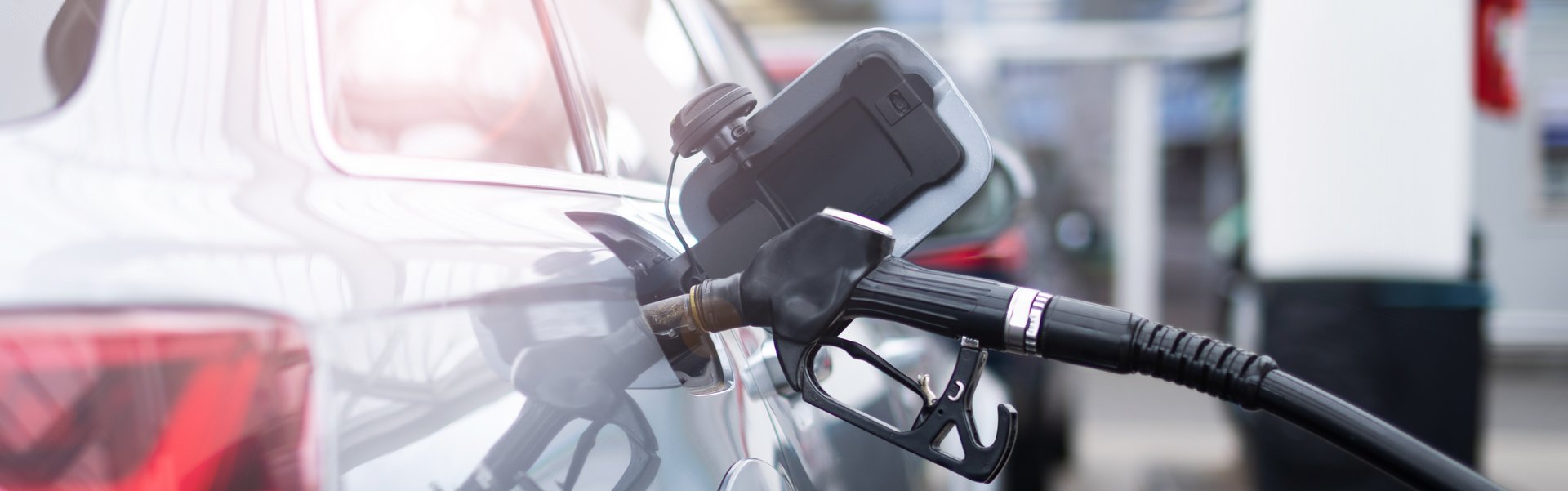

When geopolitical crises drive up commodity prices, higher fuel prices are understandable at first. However, it becomes a problem from a competition policy perspective when fuel prices rise more sharply than commodity prices. Last week, the rise in petrol and diesel prices in Germany was more than twice as high as the EU-wide average. This is indicated by data from the European Commission. This is not due to taxes and duties, as these are fixed. The problem lies rather in the structure of the wholesale sector. A small number of integrated conglomerates control refineries, the wholesale sector and petrol stations all at once. This stifles competitive pressure.
It is therefore right that the Federal Cartel Office is monitoring price trends and margins in the mineral oil market through its Market Transparency Unit and has initiated proceedings under Section 32f of the Act against Restraints of Competition (GWB) on the basis of its sector inquiry. However, it is also clear that competition law is not a tool for rapid, overnight price corrections. Anyone who now promises simple solutions such as a new petrol discount, an excess profits tax or rigid price caps is taking the easy way out. Such measures cost billions; depending on the estimate, they may not fully benefit consumers, or they may interfere deeply with market mechanisms and thus create new problems.
The Austrian model makes more sense. Price increases are limited to once a day, whilst reductions remain possible at any time. This protects consumers from sudden price spikes without undermining competition. Another sensible proposal could be for apps not to display all petrol stations in the vicinity, but only the cheapest ones. In the medium term, however, structural reforms are needed above all: greater transparency in the wholesale sector and stronger competition from independent suppliers.
- Tomaso Duso, Chair of the Monopolies Commission